

A healthy, attractive landscape doesn’t happen by accident. It’s the result of consistent care throughout the year, with each season bringing its own maintenance priorities. Whether you own a home or manage a commercial property, following a seasonal landscape maintenance checklist helps protect your investment, encourages healthy plant growth, and keeps your outdoor spaces looking their best. If you're looking for professional guidance and landscaping solutions, Lucente Landscaping offers valuable information and services to help property owners maintain beautiful, functional landscapes year-round. Consistent seasonal care also helps prevent costly repairs, supports healthier soil, and improves the long-term appearance of your property.
Why Seasonal Landscape Maintenance Matters
Every season affects your landscape differently. Spring encourages new growth, summer brings heat stress, fall prepares plants for dormancy, and winter presents challenges like freezing temperatures and snow damage.
Keeping up with seasonal tasks offers several benefits, including:
Healthier lawns and plants
Better curb appeal
Reduced weed and pest problems
Improved water efficiency
Longer lifespan for trees, shrubs, and hardscape features
Instead of reacting to problems, a seasonal approach allows you to prevent them before they become expensive or difficult to fix.
Spring Checklist: Prepare for New Growth
Spring is often considered the most important season for landscape maintenance because it sets the foundation for the months ahead.
Remove Winter Debris
Start by clearing fallen branches, leaves, and dead plant material. This allows sunlight and air to reach your lawn and garden beds while reducing the risk of disease.
Inspect Trees and Shrubs
Look for broken branches, winter damage, or signs of disease. Prune damaged limbs to encourage healthy growth.
Refresh Mulch
Adding a fresh layer of mulch helps retain moisture, regulate soil temperature, and suppress weeds.
Fertilize and Test Soil
A soil test identifies nutrient deficiencies, allowing you to apply the right fertilizer instead of guessing.
Check Irrigation Systems
Inspect sprinklers for leaks, clogged heads, or uneven coverage before regular watering begins.
Summer Checklist: Protect Your Landscape from Heat
Hot temperatures and longer days place additional stress on lawns and plants. Summer maintenance focuses on keeping everything healthy despite the heat.
Water Wisely
Water deeply but less frequently to encourage deeper root growth. Early morning watering reduces evaporation and helps prevent fungal diseases.
Mow Correctly
Avoid cutting grass too short. Slightly taller grass provides shade for the soil and helps retain moisture.
Monitor for Pests
Check plants regularly for insects, diseases, or unusual discoloration. Early treatment prevents larger infestations.
Remove Weeds
Pull weeds before they spread or compete with desirable plants for nutrients and water.
Deadhead Flowers
Removing faded blooms encourages many flowering plants to continue producing new flowers throughout the season.
Fall Checklist: Prepare for Dormancy
Fall is the ideal time to strengthen your landscape before winter arrives.
Rake Leaves Regularly
Leaving thick layers of leaves on your lawn can block sunlight and trap moisture, creating ideal conditions for disease.
Aerate the Lawn
Core aeration relieves soil compaction and allows water, nutrients, and oxygen to reach the roots.
Overseed Bare Areas
Fall provides ideal growing conditions for cool-season grasses to establish strong root systems.
Trim Perennials
Cut back spent perennials while leaving healthy plants that provide winter interest or wildlife habitat where appropriate.
Plant Trees and Shrubs
Cooler temperatures and moist soil help new trees and shrubs establish roots before spring growth begins.
Winter Checklist: Protect Your Investment
Although growth slows during winter, your landscape still benefits from regular attention.
Inspect Trees After Storms
Remove damaged branches before they become safety hazards.
Protect Sensitive Plants
Use burlap wraps, mulch, or protective covers for plants vulnerable to freezing temperatures.
Winterize Irrigation Systems
Drain irrigation lines to prevent frozen pipes and costly repairs.
Store Garden Equipment
Clean, sharpen, and properly store tools to extend their lifespan and ensure they're ready for spring.
Plan Future Improvements
Winter is an excellent time to evaluate your landscape and plan upgrades for the coming growing season.
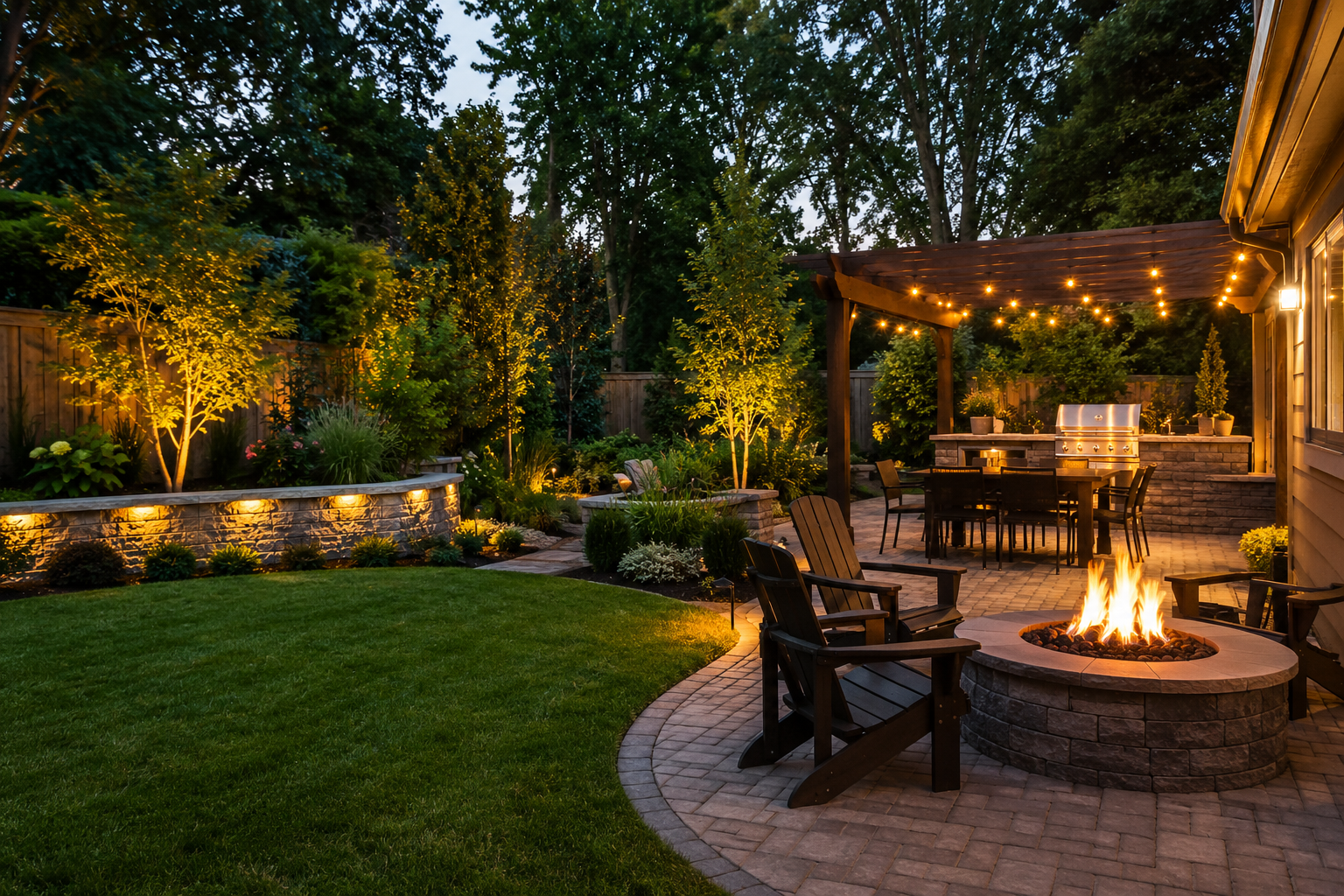
Don't Forget Hardscape Maintenance
Landscape care isn't limited to plants and lawns.
Remember to:
Power wash patios and walkways.
Inspect retaining walls for movement or cracks.
Clean outdoor lighting fixtures.
Check drainage systems.
Repair loose pavers or edging.
Maintaining these features improves both safety and appearance while preventing larger repairs later.
Sustainable Landscape Practices
Modern landscape maintenance also emphasizes sustainability.
Simple practices include:
Using organic mulch
Installing drip irrigation
Choosing native or drought-tolerant plants
Composting leaves and yard waste
Reducing unnecessary pesticide use
These methods help conserve water, improve soil health, and support local wildlife while reducing ongoing maintenance needs.
Final Thoughts
Healthy outdoor spaces require consistent attention throughout every season. By following a seasonal landscape maintenance checklist, you can prevent common problems, encourage stronger plant growth, improve curb appeal, and protect the value of your property. Rather than waiting until issues appear, routine maintenance keeps your landscape looking vibrant all year long. With thoughtful planning and timely care, your lawn, gardens, trees, and outdoor living areas can continue to thrive season after season.

Write a comment ...